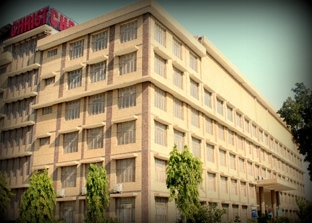
The Department of Languages has been an integral part of CHRIST (Deemed to be University) since the establishment of the erstwhile Christ College in 1969. Over the decades, it has evolved into a vibrant centre for multilingual education, offering Indian and Foreign languages while fostering linguistic proficiency, literary appreciation, cultural understanding, and intercultural dialogue.
The Department currently offers Kannada, Hindi, Sanskrit, Tamil, French, German, Spanish, and Korean, providing students with opportunities to develop communication skills alongside an appreciation of diverse literary and cultural traditions. Through innovative teaching, experiential learning, and academic engagement, the Department prepares students to thrive in an increasingly interconnected world.
More About Us
The Department of Languages has been an integral part of CHRIST (Deemed to be University) since the establishment of the erstwhile Christ College in 1969. Over the decades, it has evolved into a vibrant centre for multilingual education, offering Indian and Foreign languages while fostering linguistic proficiency, literary appreciation, cultural understanding, and intercultural dialogue.
The Department currently offers Kannada, Hindi, Sanskrit, Tamil, French, German, Spanish, and Korean, providing students with opportunities to develop communication skills alongside an appreciation of diverse literary and cultural traditions. Through innovative teaching, experiential learning, and academic engagement, the Department prepares students to thrive in an increasingly interconnected world.
More About Us
The Department views language learning as an exploration of literature, culture, identity, and society rather than merely the acquisition of linguistic skills. Its curriculum integrates literature with theatre, music, cinema, folklore, translation, and other creative practices, making language learning both meaningful and engaging.
Beyond the classroom, the Department offers students a rich ecosystem for literary and cultural activities through Bhasha Parishath, Kannada Sangha, CHUP – Club of Hindi and Urdu Poets, multilingual festivals, theatre productions, guest lectures, workshops, competitions, and community outreach programmes.
The Department also promotes international collaborations, language certifications, interdisciplinary initiatives, and experiential learning opportunities that enhance students' academic, cultural, and professional growth. Rooted in India's rich linguistic heritage while embracing global perspectives, it strives to nurture multilingual, culturally aware, and socially responsible citizens.
Languages Offered
Indian Languages
Kannada
Hindi
Sanskrit
Tamil
Foreign Languages
French
German
Spanish
Korean
Signature Events
Bhasha Utsav – Celebration of India's linguistic and cultural diversity
Yakshagana
Ranga Saurabha - Kannada Theatre Productions
Kavidina
Abhivyakti: Multilingual Poets' Meet
Sham-e-Ghazal
Jashn-e-Mushaiyra :
Indigenous Language Celebration
Festum Lingua
International Mother Tongue Day
World Sanskrit Day
Language & Cultural Competitions
Film Screenings, Workshops & Guest Lectures
 Vision
To excel in language education that fosters multilingual competence, cultural understanding, and global citizenship.
 Mission
To nurture linguistic proficiency, literary appreciation, and cultural understanding through innovative pedagogy, experiential learning, interdisciplinary engagement, and technology-enabled education.
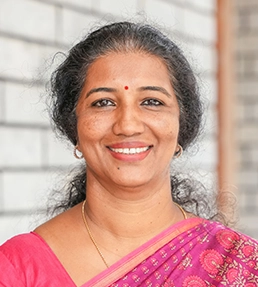
India’s linguistic and cultural diversity is one of the defining features of its civilisational heritage. Its languages, literatures, art forms and traditions represent a rich and varied body of knowledge that continues to shape our collective identity. Engaging with these traditions enables students to develop a deeper understanding of their cultural
India’s linguistic and cultural diversity is one of the defining features of its civilisational heritage. Its languages, literatures, art forms and traditions represent a rich and varied body of knowledge that continues to shape our collective identity. Engaging with these traditions enables students to develop a deeper understanding of their cultural histories, appreciate diverse perspectives and build a sense of identity and self-esteem. At a time when many Indian languages face the threat of decline, their preservation, promotion and continued use have become increasingly important. The National Education Policy (NEP) 2020 recognises the significance of Indian languages in education and emphasises the need to strengthen language learning, multilingualism and knowledge creation in Indian languages.
The Department of Languages at CHRIST (Deemed to be University) views language education as an engagement with literature, culture, history and lived experience. Moving beyond the conventional understanding of a second language as a curricular requirement, the Department integrates language learning with literary appreciation, cultural understanding and creative expression. Its curriculum draws on diverse forms of artistic expression, including music, theatre, painting, sculpture and cinema, enabling students to explore the connections between language, society and culture. While Indian languages offer insights into the country’s diverse literary and cultural traditions, foreign languages introduce students to other cultural contexts and equip them to engage with an increasingly interconnected world.
The Department provides opportunities for students to engage with cultural knowledge and practices through initiatives such as Bhasha Parishath and the Club of Hindi and Urdu Poets. These platforms encourage students to share traditions and experiences acquired within their families and communities while engaging with the wider cultural landscape. Events such as Bhasha Utsav, Ethnic Day and Yakshagana bring together members of the University community and provide opportunities to celebrate linguistic diversity, folk traditions and artistic expression. Language competitions further encourage students to develop their literary and creative abilities. The Kannada Sangha, the Department’s publication wing, has made a significant contribution to Kannada publishing, with a substantial body of publications to its credit. The Department has also undertaken initiatives to make literary texts accessible through digital platforms, including collaborative work associated with the digitisation of Indian-language literary resources.
The Department has continually reviewed and reimagined its curriculum in response to changing educational needs and the University's evolving academic vision. Institutional autonomy has provided opportunities to revise syllabi, introduce new perspectives and strengthen the relationship between language education and broader intellectual inquiry. Through lectures, panel discussions, cultural programmes and interdisciplinary engagements, the Department encourages students to approach languages not merely as systems of communication but as dynamic expressions of human experience, creativity and knowledge.
Academic engagement remains integral to the Department’s work. This reflects the Department’s commitment to advancing knowledge, fostering meaningful academic dialogue and strengthening the place of languages and cultures within higher education.
As we move forward, the Department of Languages remains committed to nurturing multilingual competence, literary sensibility, cultural awareness and critical thinking. We believe that engagement with languages and cultures enables students to understand their own contexts more deeply while remaining open to the experiences and perspectives of others. Through teaching, research, publications and cultural initiatives, we seek to create a learning environment in which linguistic diversity is valued, knowledge traditions are critically explored, and languages continue to thrive as living resources for learning and society.